Durban Surfing: The Complete Guide
Durban has long been regarded as the epicentre of surfing in South Africa. With warm Indian Ocean waters, consistent swells, and a coastline shaped perfectly for both beginners and advanced riders, the city offers some of the most accessible and rewarding surf conditions in the country. Durban’s surf culture is also deeply rooted in coastal living, local craftsmanship, and a community that has shaped generations of surfers.
For travellers exploring the KwaZulu-Natal North Coast, experiencing Durban’s surf scene is more than just catching a wave. It is a chance to step into a vibrant lifestyle shaped by ocean energy, early-morning sessions, and a community that thrives on the rhythm of the tides.
This guide dives into everything you need to know about Durban surfing: from the most iconic breaks to safety, equipment, surf culture, local tips, and why this coastline continues to define South African surf identity.
Durban Surfing: A World-Class Destination
Durban’s unique location along the Indian Ocean gives it several natural advantages. The water remains warm throughout the year, rarely dropping below 20°C even in winter. This makes Durban one of the few surf regions in South Africa where you can comfortably surf without a thick wetsuit. The city also receives consistent swells from the south and east, delivering waves suitable for all skill levels.
Unlike the colder Atlantic coastline around Cape Town, which can be unpredictable and powerful, Durban offers a more forgiving surf environment for beginners while still providing challenging, high-performance waves for experienced surfers. This balance of accessibility and quality is part of what has made Durban a training ground for many of South Africa’s top competitive surfers.
The Heart of Durban’s Surf Scene: The Golden Mile
Durban’s famous Golden Mile is arguably the most recognised stretch of beach in the province. Lined with promenades, surf shops, lifeguard towers, and restaurants, it is both a tourism hub and a core surfing zone.
Several of Durban’s best-known surf breaks are located here:
North Beach
A consistent spot that offers both left and right-hand waves suitable for intermediate and advanced surfers. North Beach is known for its powerful shorebreak and punchy waves, especially on larger swells. It is also home to many local bodyboarders.
South Beach
A more beginner-friendly break, South Beach offers softer waves on most days. Surf schools operate here year-round, making it an ideal place for first-time surfers and travellers looking for guided instruction.
Dairy Beach
A favourite among longboarders and performance shortboarders alike. Dairy has a fun, consistent wave with good shape, making it excellent for a relaxed but rewarding session.
New Pier
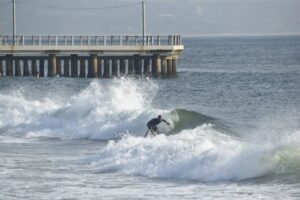
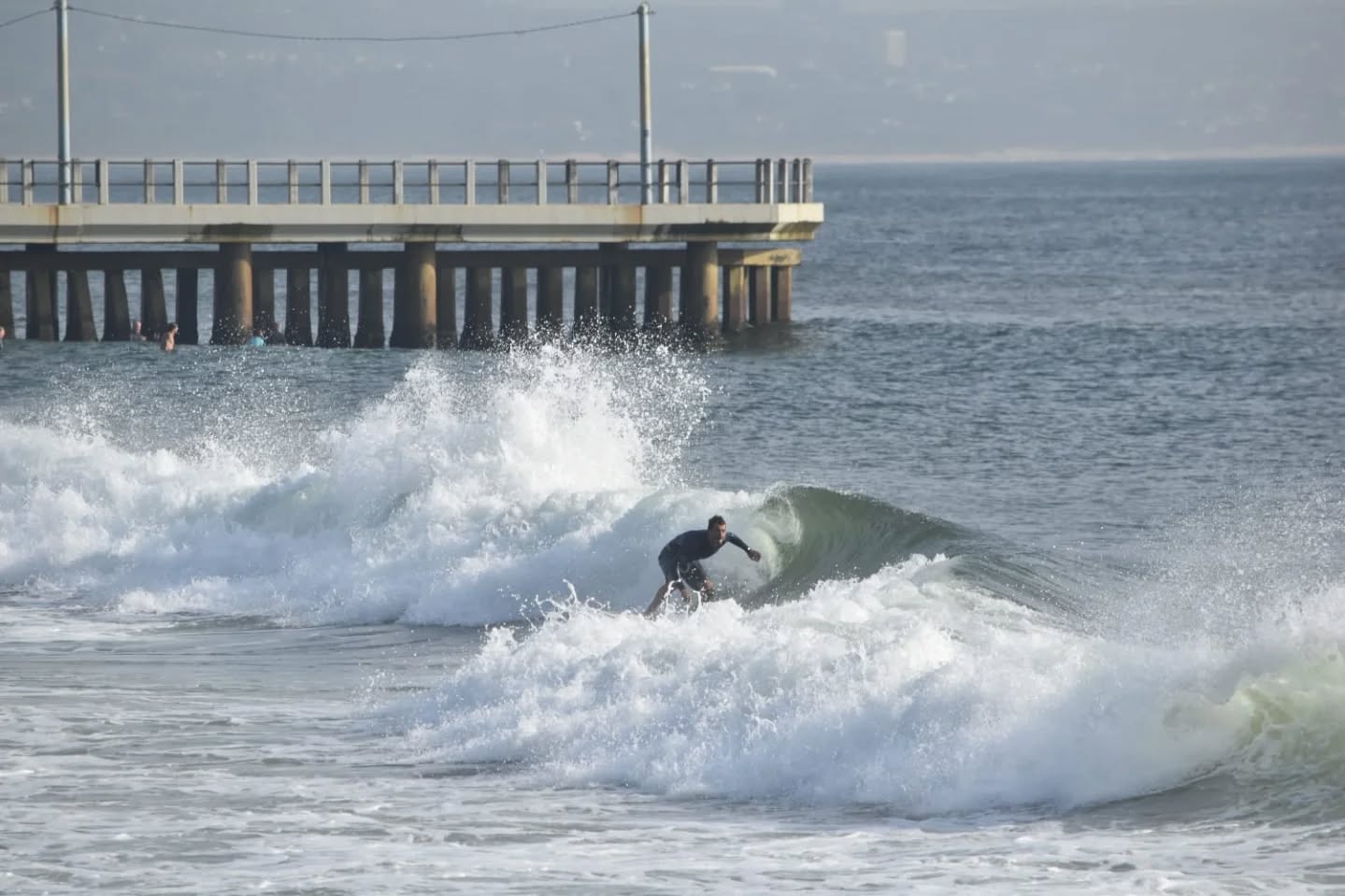
Popular with competitive surfers, New Pier produces some of the best waves on the Golden Mile. With its fast, hollow sections, New Pier is ideal for advanced surfers looking for high-performance sessions and barrel opportunities.
Durban Surf Culture
Surfing in Durban is not just a sport; it is a multilayered culture shaped by decades of local influence. Surfboard shapers, professional athletes, surf shops, photographers, lifeguards, and ocean enthusiasts all contribute to a culture that is uniquely Durban.
Local surf shops, such as the longstanding core stores in central and north Durban, help keep this culture alive. These shops are more than retail spaces; they are community pillars where surfers gather, exchange advice, and support local craftsmanship.
Durban is also known for its surf competitions, beach festivals, and events that showcase local talent. From junior surf series to international-level contests, the city continues to be a proving ground for emerging athletes.
The North Coast Connection
Travellers exploring the North Coast—Umhlanga, Umdloti, Ballito, Salt Rock, and beyond—will find that Durban serves as a central hub for surf equipment, lessons, and culture. Many surfers staying on the North Coast choose to explore Durban’s waves during their trip thanks to the short travel distance and the variety of conditions available.
Additionally, several excellent North Coast breaks, such as Umhlanga’s Bronze Beach and Ballito’s Willard Beach, are influenced heavily by Durban’s surf community. The surfing knowledge, safety standards, and seasonal expertise originate from the broader Durban surf ecosystem.
Best Time of Year to Surf in Durban
Durban offers great surfing all year, but certain seasons bring optimal conditions:
Summer (December to February)
Warm water, lighter winds in the early mornings, and fun, playful waves. Afternoon onshore winds are common.
Autumn (March to May)
Many consider this the best surf season. Offshore winds, clean swells, and consistent surf almost every week.
Winter (June to August)
Surprisingly one of Durban’s most productive seasons. Larger south swells arrive, producing powerful surf while the water remains reasonably warm.
Spring (September to November)
Variable conditions but often great for beginners due to smaller surf and comfortable water temperatures.
Equipment and Surf Shops in Durban
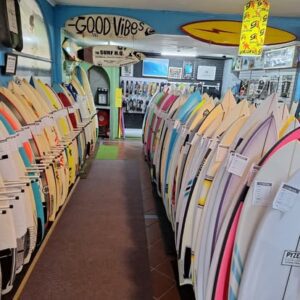
Durban is home to several long-standing surf shops that supply everything from custom surfboards to wetsuits, fins, leashes, and accessories. Whether you are a beginner needing a soft-top board or an advanced surfer looking for a high-performance shortboard, Durban’s surf retailers have you covered.
Many shops also offer rentals—perfect for travellers staying on the North Coast who want to avoid travelling with full equipment.
For lessons, Durban provides certified surf schools that operate daily along the Golden Mile. These schools offer individual coaching, group lessons, and beginner packages.
Safety Tips for Surfing Durban
While Durban’s beaches are well-managed and lifeguard presence is strong, safety should always be a priority.
- Swim and surf in lifeguarded zones.
The Golden Mile lifeguards are experienced and knowledgeable about currents and conditions. - Understand the rip currents.
Durban’s coastline has strong rips at times. If caught, do not panic—paddle parallel to the shore until free from the current. - Check conditions before entering the water.
Wind, swell, and tides change quickly. - Respect local surfers.
Durban has a long-standing surf community. Follow etiquette and avoid dropping in on other surfers. - Be aware of sandbanks and piers.
They can create excellent waves but require caution.
Durban Surfing and the North Coast Explore Experience
For travellers using North Coast Explore as their guide to the region, surfing in Durban offers an authentic entry into coastal life. The city provides everything from beginner-friendly waves to powerful reef-like sandbanks. Its surf culture, warm waters, and vibrant beach lifestyle make it one of the most attractive surf destinations in South Africa.
Whether you are looking for a relaxed morning longboarding session, a high-performance day at New Pier, or a family-friendly surf lesson at South Beach, Durban has a wave for you.
Surfing forms part of the broader North Coast experience—linking beach culture, outdoor adventure, and the natural beauty that defines KwaZulu-Natal. Including a Durban surf day in your itinerary is an excellent way to balance relaxation, adrenaline, and exploration.
Frequently Asked Questions (FAQ)
Is Durban good for beginner surfers?
Yes. Beaches like South Beach and certain days at Dairy Beach offer soft, manageable waves ideal for beginners. Several surf schools provide professional lessons year-round.
Are there sharks in Durban?
Durban uses an established shark safety system at most major beaches. While the ocean always carries risk, Durban’s beaches are monitored, and incidents are extremely rare.
Can you surf in Durban without a wetsuit?
Most of the year, yes. Durban’s warm Indian Ocean water makes it possible to surf in boardshorts or a thin spring suit.
What is the best surf spot in Durban?
New Pier is considered the premier performance wave, while North Beach and Dairy Beach offer consistent, accessible surf for a variety of skill levels.
Does Durban have surfboard rentals?
Yes. Several surf shops and schools offer board and wetsuit rentals, especially along the Golden Mile.
When is the best time of day to surf in Durban?
Early mornings usually provide the cleanest conditions before the onshore winds arrive.
Are Durban beaches safe?
The main surf beaches are patrolled daily by experienced lifeguards. Always surf within lifeguarded zones.
Surf HQ – Durban’s Biggest Hardcore Surf Shop
Surf HQ stands as Durban’s leading destination for surfers, bodyboarders, and skaters looking for premium gear, expert service, and authentic local knowledge. As one of the region’s most established core surf stores, Surf HQ offers the widest range of surfboards, bodyboards, wetsuits, accessories, and skateboards—catering to everyone from beginners to seasoned riders.
With decades of experience, the team at Surf HQ provides personalised advice to help you choose the right equipment for your style, skill level, and the North Coast’s diverse conditions. The shop stocks top international and South African brands, along with custom shapes and specialist products you won’t easily find elsewhere.
Whether you’re gearing up for the next swell, upgrading your bodyboard, or grabbing a new skateboard for the local parks, Surf HQ is your go-to hub for quality, reliability, and the hardcore surf culture Durban is known for.
Located in the heart of Durban’s surf community, Surf HQ continues to support local riders, events, and the broader ocean lifestyle—making it a must-visit stop for anyone exploring the KwaZulu-Natal North Coast.